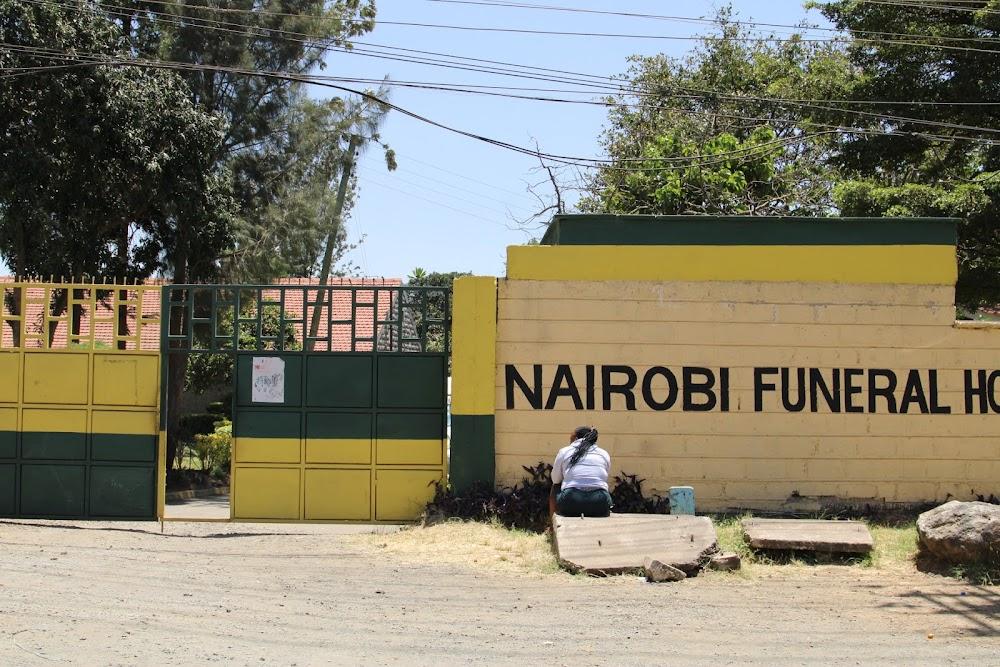
The Nairobi Funeral Home, formerly known as City Mortuary, is currently facing a severe crisis due to extreme overcrowding, which has led to heightened tensions between mortuary staff and the police. The facility, built in 1953, was designed to hold only 184 bodies but is currently handling 607 bodies—more than three times its intended capacity. This has left the staff overwhelmed and forced to refuse further admissions, creating chaos for law enforcement officials trying to deliver more bodies.
On Thursday, a standoff unfolded when police officers transporting unclaimed bodies were turned away by the mortuary workers. Nairobi City County Chief Officer for Public Health Tom Nyakaba confirmed that the facility was overstretched and could no longer accommodate additional bodies. He explained that the current congestion has made it impossible for the staff to function normally, affecting their ability to provide basic services.
"Today we have stopped Nairobi Funeral Home from admitting unclaimed bodies because the morgue has only a capacity of 184. As we speak, we have 607 bodies and this means even the staff cannot be able to function normally," said Nyakaba.
The refusal to admit more bodies sparked frustration among police officers, who were forced to keep the deceased in their vehicles for hours. In an attempt to resolve the issue, officers returned to the mortuary late at night, only to face the same rejection. Even when senior officers intervened, the mortuary staff stood their ground, refusing to accept the bodies until City Hall authorized a limited intake after almost nine hours of negotiations.
The overcrowding crisis has exposed deeper issues within the facility. When the Senate's Standing Committee on Health, led by its chairman Jackson Mandago, visited the mortuary on March 26, 2024, they encountered a power blackout that revealed even more troubling conditions. The Senators were shocked to find that the facility lacked a backup generator, resulting in a foul odor so overwhelming that some committee members could not enter the cold rooms.
During the inspection, the committee discovered that embalming chemicals were stored unsafely in jerry cans hanging above the slabs, and the chemical storage area was in a dilapidated state. Interviews with the mortuary staff, including interns who spoke anonymously, further highlighted that the morgue's condition has been deteriorating, raising health and safety concerns for both workers and the general public.
With the facility operating far beyond its capacity, City Hall is now under pressure to address the crisis and ensure the safety and functionality of Nairobi’s primary public morgue.