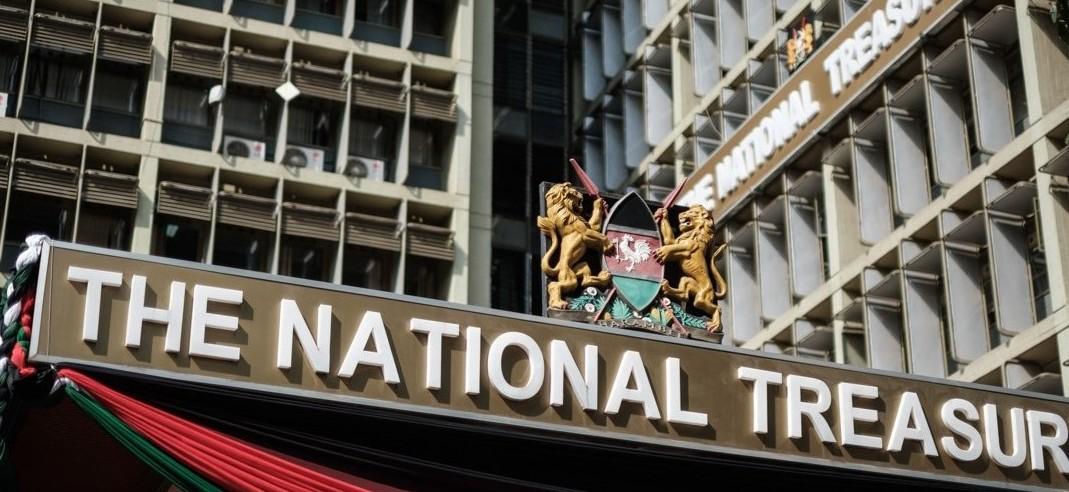
The National Treasury has confirmed it will roll out a unified revenue collection platform for all 47 counties, despite opposition from governors who argue the move undermines devolution. Treasury Cabinet Secretary John Mbadi told the Senate County Public Accounts Committee on Thursday that the new integrated county revenue management system is ready and will replace the patchwork of systems currently in use.
Mbadi said the platform will eliminate inefficiencies caused by having multiple revenue collection methods and stressed that having dozens of separate systems for the same function was unnecessary. “We cannot have 47 or 48 systems in a country dealing with revenue collection. We should have at most two or three,” he stated.
The Council of Governors (CoG) has strongly opposed the plan, saying it strips counties of their autonomy in managing revenue systems. In 2023, the CoG rejected a Bill requiring counties to work with the Kenya Revenue Authority (KRA) in developing such systems, noting that many had already spent public funds to set up their own platforms. “A significant number of counties are already implementing revenue collection systems that ought to be recognised by law, as public resources have been used to develop them,” the CoG said at the time.
According to Mbadi, the Treasury has engaged governors and other stakeholders through the Intergovernmental Budget and Economic Council to address concerns ahead of the rollout. He noted that while pushback from governors was expected, discussions were helping to clear misunderstandings.
Currently, many counties rely on private financial technology companies to manage revenue collection, incurring millions in procurement costs and paying commissions on each shilling collected. In 2023, KRA Commissioner General Humphrey Wattanga warned senators that the lack of standardised processes and reliance on multiple vendors were hurting county revenues. He pointed to vague technical specifications, high commission rates, and vendor-driven contracts as key problems.
Some counties have yet to automate revenue collection entirely, still using outdated manual systems inherited from defunct local authorities. This has raised accountability concerns, with the Senate in 2024 asking Auditor General Nancy Gathungu to audit all external firms involved in county revenue collection. Gathungu said questionable companies, some existing only on paper, were siphoning large sums from counties. She reminded lawmakers that while the Treasury can legally prescribe revenue systems, governors had entered into deals with vendors without adequate oversight, leading to widely varying commission rates and significant losses.