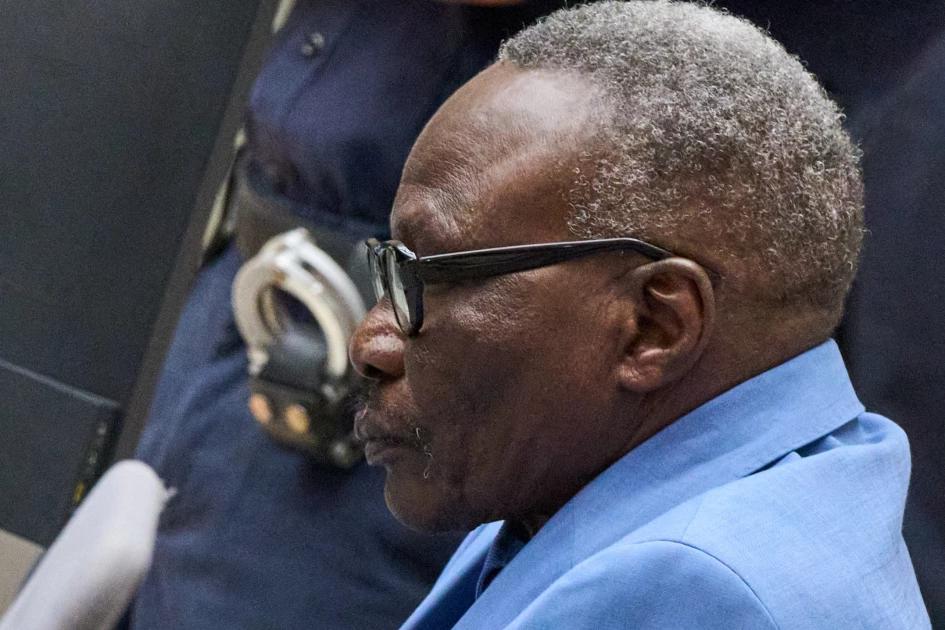
The International Criminal Court has sentenced Sudanese militia commander Ali Muhammad Ali Abd-Al-Rahman, commonly known as Ali Kushayb, to 20 years in prison after finding him responsible for a series of brutal crimes committed during the conflict in Darfur. The sentence follows his earlier conviction on 27 charges of crimes against humanity and war crimes, including murder, rape and torture, all linked to attacks carried out in western Darfur between 2003 and 2004.
Ali Kushayb was a senior leader in the Janjaweed militia, a group that played a central role in the violence that ravaged Darfur during that period. The court’s ruling marks one of the most significant steps in holding perpetrators accountable for atrocities committed during the conflict, which left hundreds of thousands dead and displaced millions. The ICC had spent years building its case, relying on eyewitness accounts, survivor testimony and documented evidence from affected communities.
During the trial, prosecutors described how villages were targeted, civilians were tortured and women were subjected to widespread sexual violence as part of coordinated attacks. The charges reflected what investigators said was a deliberate campaign to terrorize and destroy communities perceived to be aligned with rebel groups. The court concluded that Ali Kushayb exercised authority within the militia, directly enabling and participating in the crimes.
By imposing the 20-year sentence, the ICC emphasized the gravity of the offenses and the enduring impact of the atrocities on survivors. The judgment adds to the growing record of international efforts to address long-standing impunity in Sudan, particularly for crimes committed during the early years of the Darfur conflict. For many victims, the ruling represents a long-awaited acknowledgment of their suffering.
Although the sentence does not cover the full scope of the violence reported in Darfur, it stands as a significant milestone in international justice. The ICC’s decision reinforces its commitment to prosecuting those responsible for some of the world’s most serious crimes, even when the cases are complex and unfold over many years. The ruling also signals to other perpetrators that accountability remains possible, offering a measure of hope to survivors seeking justice for the abuses they endured.