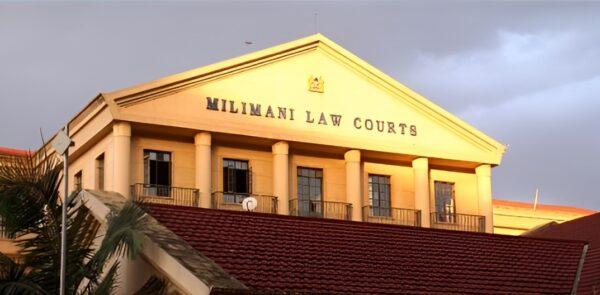
The High Court has dismissed a compensation claim filed by survivors of the 1998 Nairobi bomb blast and the families of those killed in the attack.
The ruling, delivered by Justice Lawrence Mugambi, brought an end to a legal battle that had lasted more than two decades, leaving many victims disappointed. The court found that the petition lacked the legal foundation needed to hold the government accountable for the attack.
Justice Mugambi explained that the petitioners had not provided sufficient evidence to show that the State had prior intelligence about the bombing or failed to act on information that could have prevented the tragedy. “It cannot be established from the material placed before this court that the government had knowledge of the planned attack or ignored any actionable intelligence,” he said.
Survivors had told the court that they continue to suffer from permanent injuries, long-term trauma, and financial hardship. They argued that the State had abandoned them despite its constitutional duty to protect citizens. Many had hoped the case would finally deliver justice and compensation after more than 25 years.
However, the judge emphasized that courts cannot base their decisions on sympathy or moral arguments alone. Although petitioners presented reports and documents to support their claims, the authors of those materials were never called to testify, making the documents inadmissible as evidence. The court also found no proof that the United States government had blamed Kenya for failing to prevent the bombing, a point the petitioners had cited.
Justice Mugambi acknowledged the immense suffering caused by the attack but stressed that legal rulings must rely on credible and admissible evidence. Without such proof of negligence or omission by the State, the petition could not succeed.
The decision marks a painful setback for survivors and families, who must once again confront the reality of unanswered questions and the absence of compensation. While the ruling closes this legal chapter, the physical, emotional, and economic consequences of the 1998 bombing continue to affect those directly impacted.
The case underscores the challenges victims face in seeking accountability for historical attacks, highlighting the tension between moral claims for justice and the strict requirements of the legal system.